



Service
Health & Safety
Health and safety are at the core of every successful project. At Inspired Partnership, we integrate safety considerations into the design process from day one — ensuring spaces are not only functional and compliant but also supportive of the people who use them. Our approach combines technical expertise with practical insight, helping clients navigate regulations with confidence and maintain the highest standards of care throughout every stage of design and construction.

Working largely in the education, retail, leisure and industrial fields, our Safety Officers operate with a sensible and practical approach to regulatory and procedural compliance; offering a tailor made service to suit your needs.
As members of the Association for Project Safety (APS), you can rely on our personnel offering you the best advice on current safety standards and CDM 2015, whether you are the Client or the Principal Designer. We will ensure the smooth running of your project while adhering to all current legislation.
If you have had an Improvement/Probation Notice from HSE, we can offer our service and advise you on how to be compliant and meet the current standards to work in this high risk environment.
Our Expertise

CDM (Construction Design and Management) compliance and coordination

Principal Designer duties under CDM Regulations

Health and safety audits and risk assessments

Design-stage hazard identification and mitigation

Construction-phase monitoring and contractor liaison

Occupier safety, accessibility and maintenance strategies

Integration of sustainability and wellbeing standards (BREEAM, WELL, etc.)

Ongoing advice for safe use, management and future adaptation of buildings

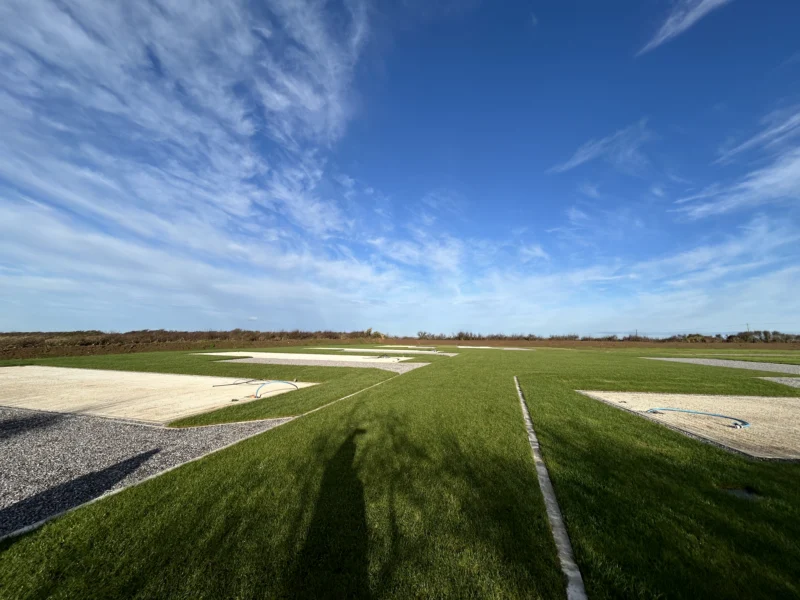
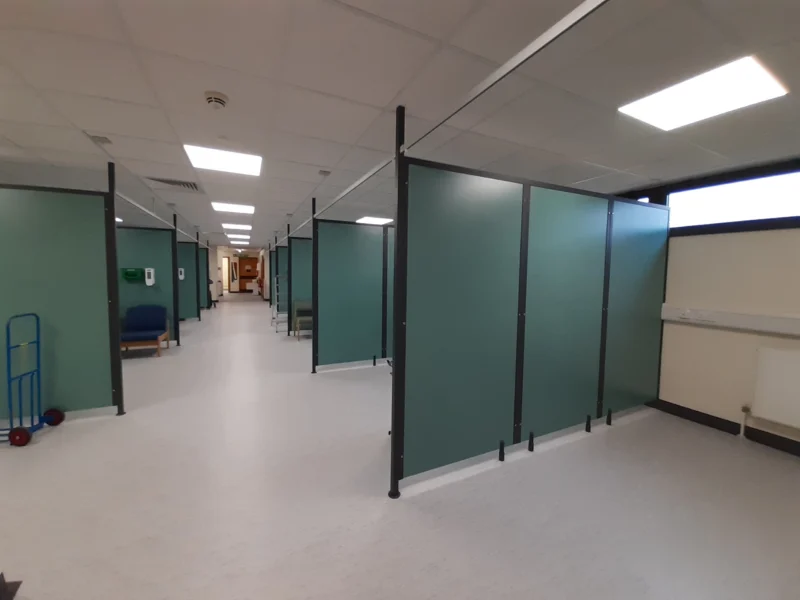
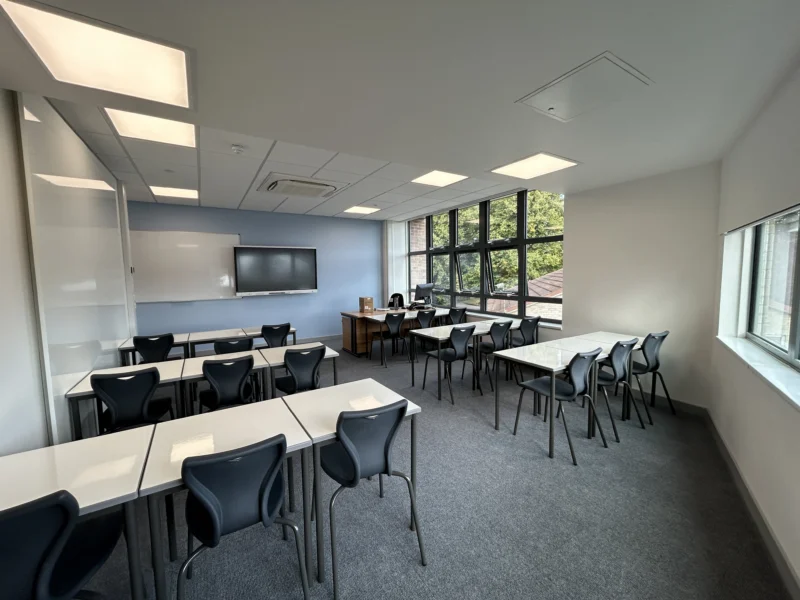
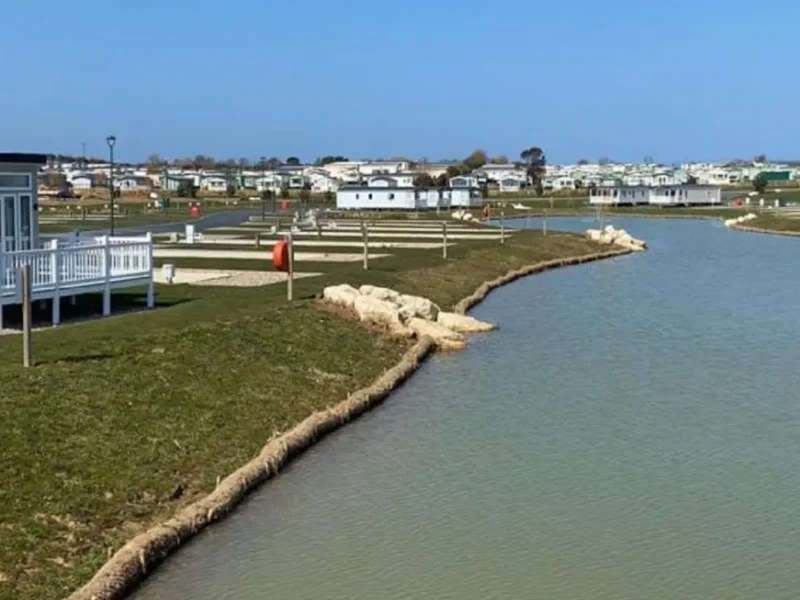
Recent Health & Safety projects
Plan of Work
The RIBA Plan of Work breaks building projects into 8 stages, from briefing and design through to construction, operation and use. The Small Project version streamlines these tasks to help clients and architects work more closely. It’s designed to be used alongside the full 2013 Plan, with non-essential tasks removed for simplicity.
FAQs
Ideally from the very start of the project. Early involvement allows potential risks to be identified and designed out before they become costly or complex to manage later on.
Yes — we often combine both roles. This allows health and safety to be fully integrated into the design process rather than treated as an afterthought.
We view health and safety as an enabler, not a constraint. By understanding materials, construction methods and user behaviour, we can design spaces that are both imaginative and inherently safe.
We prepare pre-construction information, review contractors’ Construction Phase Plans, carry out regular coordination meetings and ensure that Health and Safety Files are completed and handed over at project close.